3 hr
Yanaka Old Quarter Walking Tour
Explore Tokyo's most authentic historic neighborhood on a guided stroll through traditional lanes
Reserve
Hand-picked by our editors — only the best 5 walking experiences from 12 reviewed.
Verified partners for every tour, free cancellation where available, and instant confirmation on every booking.
3 hr
Explore Tokyo's most authentic historic neighborhood on a guided stroll through traditional lanes
Reserve
3 hr 30 min
Wander through Tokyo's charming old districts, meeting locals and discovering historic temples away from tourist crowds
Reserve
3 hr 30 min
Step into Tokyo's past in a district untouched by war and time, where traditional life thrives today
ReservePrices from verified partners. Availability updates in real time at checkout. Free cancellation policies apply where shown.
The landmarks, rooms, and views travelers on this tour remember — all visible on a single visit.
This site dates back to 1274 and houses a significant bronze Buddha statue. It is a peaceful stop on any yanaka historical walking tour.
Spanning a vast area, this cemetery is the final resting place for many historical figures. It features beautiful cherry blossoms in the spring.
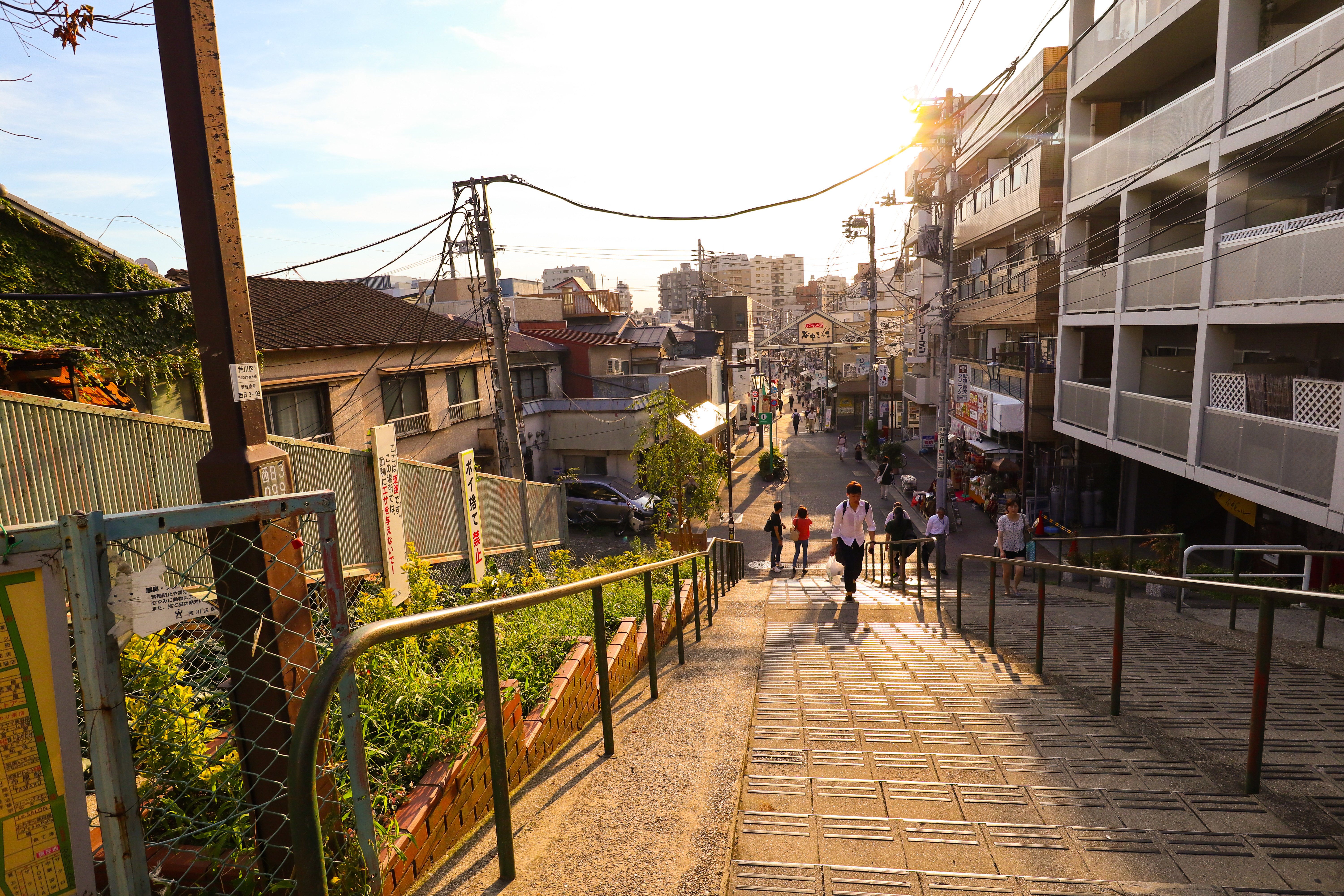
This historic shopping street retains a traditional atmosphere with over 50 local shops. It is a key highlight of the yanaka historical walking tour.
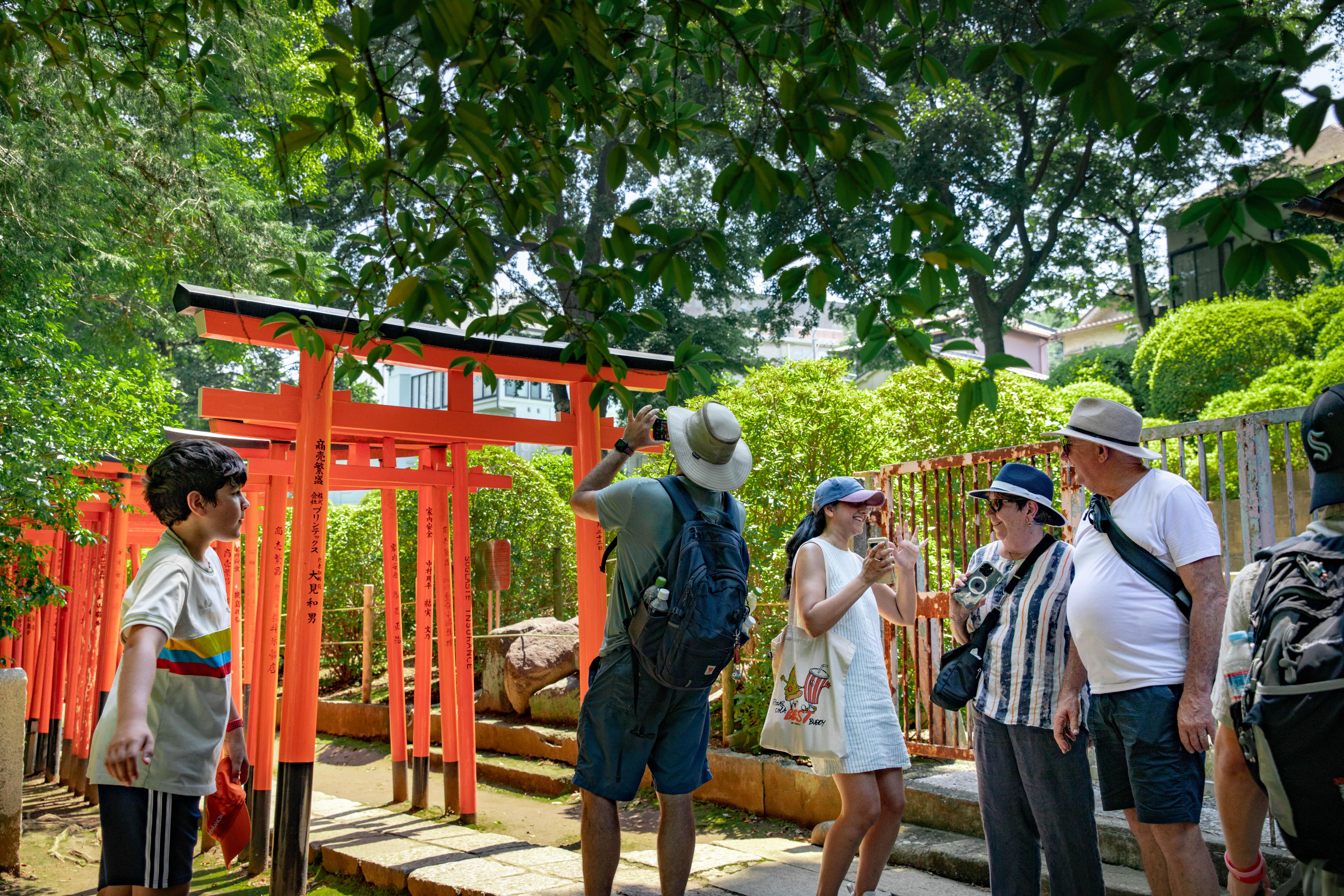
Located nearby, this shrine is famous for its 1706 architecture and vibrant torii gate pathway. It is a staple of Tokyo landmarks.
A charming local mascot statue found in the district that reflects the neighborhood's love for cats. It is a popular photo spot.
They complement each other; most visitors who do both call Yanaka the more serene, residential option, whereas the Asakusa walking route offers the high-energy, iconic landmarks travelers crave. Choosing between these Tokyo landmarks depends on your appetite for quiet backstreets versus grand temple spectacle.
| Feature | Top pick Yanaka | Asakusa |
|---|---|---|
Atmosphere |
Quiet residential enclave | Bustling temple district |
Crowd Levels |
Low to moderate | Very high |
Primary Landmarks |
Cemeteries and small shrines | Senso-ji Temple and Kaminarimon |
Commercialization |
Artisanal and low-key | High-density retail and souvenir shops |
Street Food Focus |
Traditional tea and snacks | High-volume snack stalls |
| See tickets → |
Verdict: Select the yanaka historical walking tour if you seek an intimate, slow-paced look at Tokyo heritage, or choose the Asakusa route for an immersive dive into the city's most famous spiritual and commercial landmarks. Whether you purchase yanaka historical walking tour tickets or seek out independent yanaka historical walking tour tours, you will find distinct cultural perspectives through these yanaka historical walking tour tour options.
Choose your ticket, select your date, and reserve in under two minutes. Secure checkout handled by our verified partner.
Instant confirmation by email, with a mobile voucher you can save offline. No printing, no queuing at a collection desk.
Arrive at the entrance, show your voucher on your phone, and walk in. Most tickets include priority or skip-the-line access.
Practical details for your visit straight from our verified partners — hours, access, rules, and how to get there.
Nippori, Arakawa City, Tokyo
Primary transit hub for the area
Take the JR Yamanote Line to Nippori Station. The Yanaka historical walking tour is a short walk from the West Exit.
Casual and comfortable walking attire is recommended for the yanaka historical walking tour. Respectful dress is appreciated when entering temple grounds.
Small daypacks are suitable for a yanaka historical walking tour. Secure personal belongings as this is an open public district.
Photography is permitted in public areas of the Yanaka neighborhood. Please respect privacy and signage at individual religious sites.
Most streets in the Yanaka area are flat and paved. Some older temples may have gravel paths that require caution during a yanaka historical walking tour.
Mobile phone use is permitted throughout the district. Keep volume low to maintain the peaceful atmosphere of this Tokyo landmark.
The Yanaka historical walking tour is suitable for all ages. Quiet streets offer a safe environment for children to explore local history.
Numerous street food stalls operate along the Yanaka Ginza shopping street. Please consume snacks near the shops rather than while walking.
Pets are allowed on leashes in public streets. Check individual shop policies before entering indoor spaces during your yanaka historical walking tour.
As an outdoor district, the yanaka historical walking tour experience is weather-dependent. Monitor local forecasts during the summer season.
Best time to go, insider tips, nearby landmarks, and the cancellation fine print — flip through to skim what matters to you.
How crowds, weather, and events shift across the year.
Mild temperatures and cherry blossoms attract many visitors.
Expect high humidity and heat; carry water while on a yanaka historical walking tour.
Comfortable weather ideal for long walks through historic landmarks.
Crisp air and fewer crowds make for a quiet neighborhood experience.
Small details that turn a good visit into a great one.
Arrive between 09:00–11:00 to experience the area before the midday crowds arrive for a yanaka historical walking tour.
Maintain a quiet demeanor near residential areas and temple grounds.
Summer temperatures in Tokyo can be intense; utilize vending machines located throughout the district.
Support small businesses on the yanaka historical walking tour route for unique crafts.
Wear supportive shoes, as the district involves significant walking on paved and gravel surfaces.
Pick up a local map at the station to navigate the maze of historic alleys during your yanaka historical walking tour.
Non-bookable sights within a short walk — free to visit, easy to pair.
Famous for its tunnel of vermillion torii gates.
Houses an extensive collection of Japanese art.
Large public space featuring multiple cultural institutions.
Flexible, no hidden fees.
For pre-booked experiences, cancellation terms vary by operator. The district itself maintains 0 JPY entrance fees for all visitors.
Hand-picked options within walking distance — pick a district for vibe, or a specific hotel for convenience.
Traditional guesthouses and boutique stays are common.
Convenient hotels near the major transit hub.
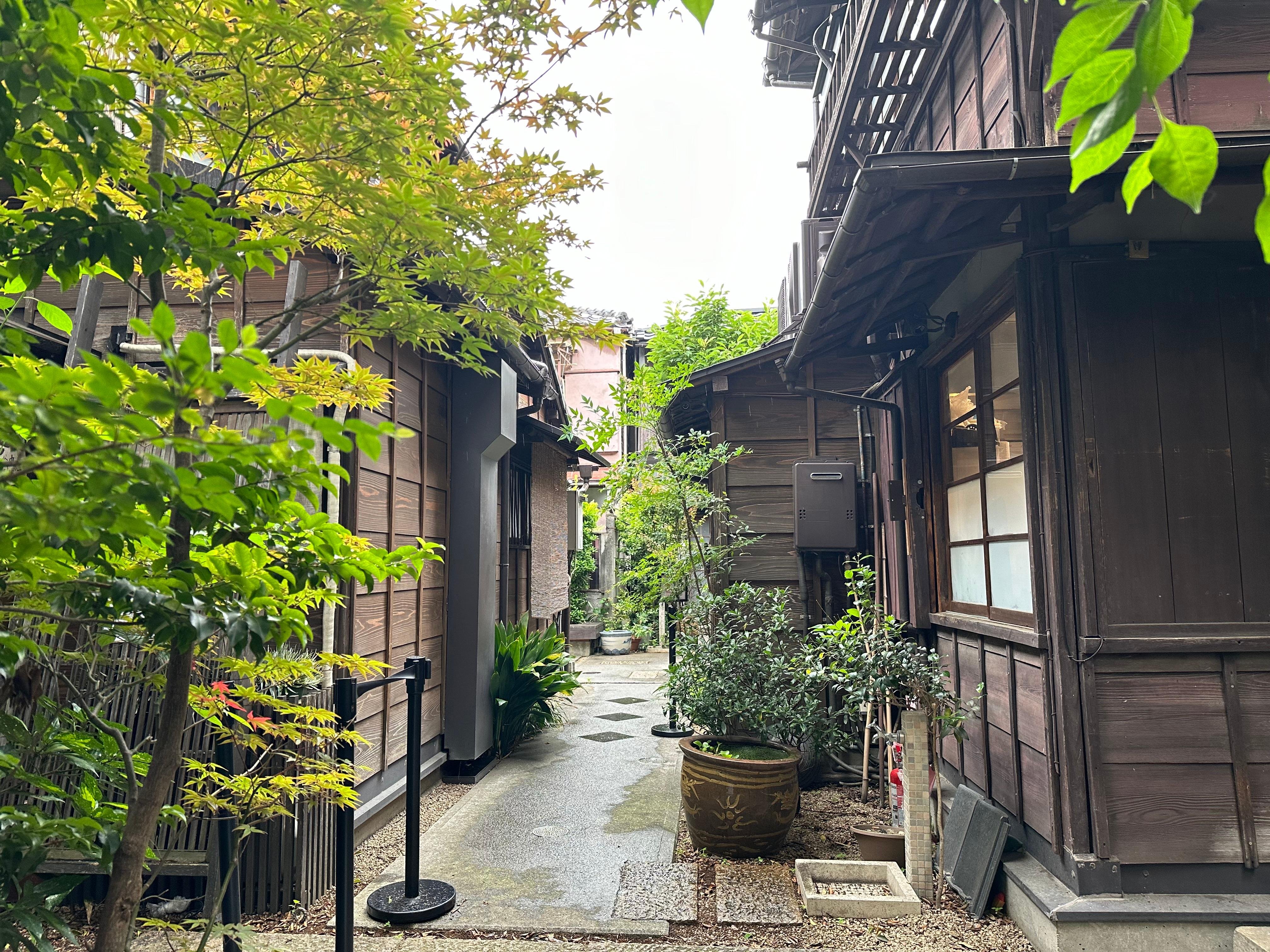
Yanaka survived the twin catastrophes that erased most of old Tokyo — the 1923 Great Kanto Earthquake and the 1945 firebombing — leaving a district where wooden shopfronts, stone lanterns, and temple bell towers still define the streetscape. The neighborhood's 70-plus temples and shrines cluster around Yanaka Cemetery, a 10-hectare necropolis where cherry trees bloom above the graves of Tokugawa-era samurai and Meiji-period artists. Yanaka Ginza, the central shopping street, retains its postwar layout: 170 meters of awning-covered storefronts selling grilled mochi, hand-dyed tenugui towels, and takoyaki from vendors who inherited their stalls from parents and grandparents. The district's preservation owes less to planning than to economics. Yanaka's narrow lanes and absence of through roads discouraged postwar redevelopment, while its distance from central business districts kept land values low enough that family-run shops could afford to stay. By the 1980s, urban historians recognized the area as Tokyo's largest intact prewar residential quarter. Today, Yanaka Old Quarter walking routes guide visitors past machiya townhouses with lattice facades, the Asakura Museum of Sculpture — a 1935 artist's residence — and Nezu Shrine, whose vermillion torii tunnel dates to 1706. Yanaka's architectural vocabulary is modest but specific. Tile-roofed temple gates frame views of cemetery paths where moss colonizes stone memorials. Wooden storefronts open directly onto sidewalks, their interiors visible through sliding glass panels. The district's topography — a low hill overlooking Ueno — creates staircases that link parallel streets, each descent revealing another temple courtyard or pottery workshop. Yanaka historical walking tour tours typically cover 2 to 3 kilometers, threading through Tennoji Temple, where a bronze Buddha predates the Edo period, and past the SCAI the Bathhouse gallery, a converted public bath now showing contemporary art. The neighborhood functions as a living archive. Residents still practice Edo-era crafts — indigo dyeing, wooden clog making, traditional confectionery — in workshops unchanged since the 1950s. Stray cats, fed by local shopkeepers, occupy sunny doorsteps and cemetery benches, earning Yanaka its nickname as Tokyo's cat district. The area draws fewer international tourists than Asakusa or Shibuya, but its preservation depends on visitor revenue: walking tours sustain the artisan economy, and guided routes ensure that narrow residential lanes remain navigable. Yanaka offers no grand monuments, only the accumulated detail of a city that chose not to erase its past.

"Yanaka survived the twin catastrophes that erased most of old Tokyo, leaving a district where wooden shopfronts and temple bell towers still define the streetscape."
A step-by-step walkthrough of the visit — what you'll see, how long each stage takes, and the details that matter.
You enter Yanaka through the cemetery's main gate at mid-morning, when sunlight filters through cherry branches and illuminates the moss on stone monuments. The path curves past Tokugawa-era graves, their kanji inscriptions softened by two centuries of weathering. You descend Yuyake Dandan — Sunset Stairs — counting 36 steps down to Yanaka Ginza, where vendors are grilling yakitori over charcoal and stacking rice crackers in pyramid displays. You move slowly through the shopping street, pausing at a tenugui shop where indigo-dyed cotton towels hang from ceiling racks. The owner demonstrates the traditional dyeing process, her hands stained blue from decades of work. At the street's end, you turn into residential lanes where wooden fences hide private gardens and temple courtyards open without warning — a stone basin here, a bronze bell there, each threshold marked by a cedar post worn smooth by hands. You climb to Tennoji Temple, where the bronze Buddha sits in an open pavilion facing the cemetery. Cats occupy the stone steps, unbothered by your approach. The guided Yanaka walking tour concludes at Nezu Shrine, where you pass under vermillion torii gates arranged in a tunnel that follows the hillside's natural slope. The path deposits you at the main hall, its lacquered beams reflecting the late morning light, the city's hum audible but distant beyond the trees.
The Yanaka district is open 00:00–23:59 daily, though individual shops have their own hours.
The district itself has an entrance fee of 0 JPY.
Most visitors begin their yanaka historical walking tour at Nippori Station.
Public restrooms are available at nearby parks and station facilities.
While the district is free, you can book guided yanaka historical walking tour tours to learn more about the area.
Yes, the flat streets of the yanaka historical walking tour are suitable for strollers and wheelchairs.
We recommend an arrival window of 09:00–11:00 to enjoy the morning light.
Yes, photography is permitted, but please be respectful of residents and private temple property.
You can purchase snacks in Yanaka Ginza, though please consume them in designated areas.